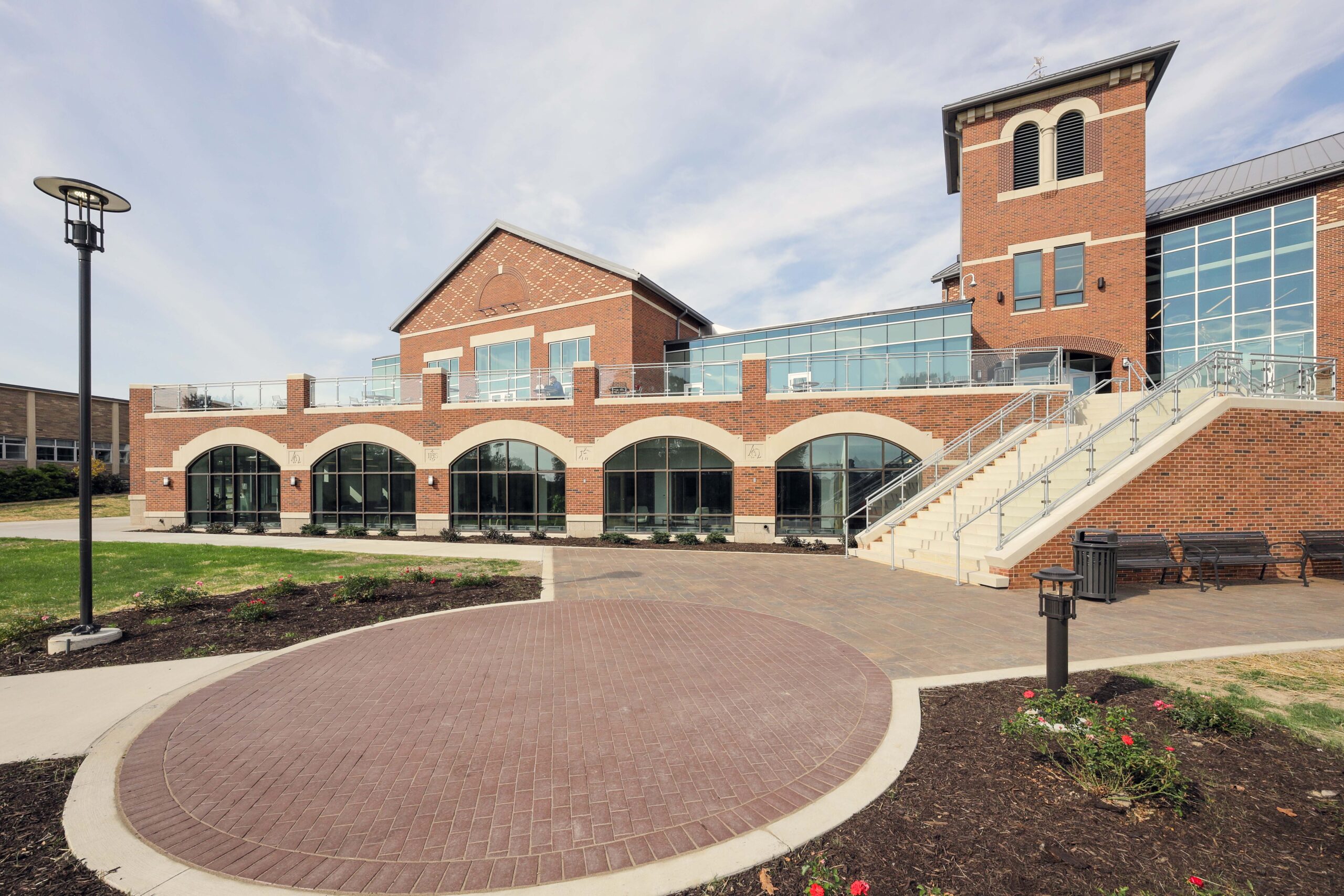
Commercial roofing for university buildings, dormitories, academic halls, and college campuses throughout Raleigh, NC.
Raleigh campus University's main campus in Raleigh and its Centennial Campus research park represent two distinct commercial roofing environments within a single institution. The historic brick buildings of the main campus-Hunt Library, Harrelson Hall, and the original engineering quad-require contractor experience with institutional heritage structures and the masonry-compatible flashing and waterproofing systems appropriate for buildings that date from the early twentieth century. Centennial Campus's contemporary research and technology buildings, meanwhile, require the same pharmaceutical-grade and cleanroom-aware roofing approaches found at the biotech manufacturing facilities across the Research Triangle, because many Centennial Campus buildings house industry-affiliated research that uses genuine manufacturing-scale process equipment.
Semester scheduling at Raleigh campus follows the standard fall-spring academic calendar with a summer session. The primary construction window-mid-May through late August-is the focus of Raleigh campus's capital roof replacement program. The facilities division uses a multi-year capital plan that identifies buildings by condition priority, and roofing projects are scheduled within the summer window by building type: residence halls are prioritized for early summer when vacated, research buildings for mid-summer when coordination with lab managers is most efficient, and classroom buildings for late summer when construction can be completed before fall move-in.
Raleigh campus's Centennial Campus buildings present specialized roofing requirements that reflect their research-industrial character. Buildings like the Analytical Instrumentation Facility and the FREEDM Systems Center house research equipment whose exhaust systems, vibration profiles, and contamination-prevention requirements match or exceed those found at commercial biotech facilities nearby in Triangle research corridor. Roofing contractors working on Centennial Campus projects should apply the same chemical exposure assessment discipline used for pharmaceutical manufacturing sites-identifying exhaust stack chemistry and mapping plume zones before finalizing membrane specifications.
LEED certification is a design standard for Raleigh campus's new construction projects, and the university's sustainability office publishes detailed documentation of rooftop performance contributions to its campus sustainability plan. High-SRI membranes, vegetated roof systems on selected Centennial Campus buildings, and integrated stormwater management through rooftop detention contribute to Raleigh campus's LEED program and to its commitments under the regional institution system's sustainability policies. regional institution Energy Progress offers commercial efficiency rebates applicable to qualifying cool-roof installations on Raleigh campus buildings, and the university's energy management office coordinates rebate applications as part of the capital project close-out process.
Historic buildings on Raleigh campus's main campus require contractor sensitivity to masonry compatibility, visual character, and the preservation standards applicable to listed or potentially-listable historic structures. The original Brickyard plaza area and surrounding academic buildings are significant components of the university's institutional identity. Re-roofing projects in this zone require masonry-compatible flashing details-typically lead-coated copper or pre-patinated copper-that match the color and profile of the original materials rather than substituting modern aluminum alternatives that would be visually inconsistent with the historic character.
North Carolina's climate imposes a full range of conditions on Raleigh university roofs. Hot, humid summers with intense afternoon thunderstorms test drainage system capacity and membrane seam integrity. Periodic winter ice events-more frequent on Raleigh campus's piedmont campus than in coastal NC-create ice dam potential at parapet bases and valley conditions on older buildings. Tapered insulation for positive drainage, self-adhering ice and water barrier at parapets, and annual post-winter inspection programs are the effective responses to Raleigh's weather variability.
Residence hall roofing is a high-priority and recurring element of Raleigh campus's facilities program. The university's approximately 7,500 commercial students occupy dormitories that range from mid-century concrete block buildings to contemporary apartment-style residence halls. Re-roofing residence halls requires scheduling around move-in/move-out cycles, protecting student personal property below work areas, and maintaining fire suppression and emergency egress systems throughout construction. Raleigh campus's residence life and housing facilities teams coordinate closely with facilities management to schedule work during vacancy windows.
North Carolina General Contractor licensure with roofing endorsement, manufacturer system authorization, and references from comparable North Carolina university or institutional projects are baseline qualifications for Raleigh campus roofing work. Familiarity with the regional institution system's procurement processes-which use state competitive bidding for capital projects and NC E-Procurement for maintenance services-is an important practical qualification for contractors entering this market.
Contractors pursuing Raleigh campus work should also understand the Centennial Campus industry partnership model, where building users may include private company partners whose facility-specific requirements influence roofing specifications independently of the university's standard template. Engaging with both the university's facilities division and the Centennial Campus building user at project outset ensures that all stakeholder requirements are captured before the specification is finalized.
- What makes Raleigh campus's Centennial Campus roofing different from main campus academic buildings?
- Centennial Campus buildings house industry-affiliated research with process equipment, exhaust systems, and vibration profiles comparable to commercial biotech manufacturing. Roofing specifications require chemical exposure assessment, fully adhered membrane systems, and the same contamination-prevention protocols used at nearby Triangle research corridor manufacturing facilities-not just standard academic building roofing approaches.
- What LEED roofing requirements does Raleigh campus's sustainability program specify?
- High-SRI cool-roof membranes on all new construction and major renovation projects are standard. Selected Centennial Campus buildings incorporate vegetated roofs and stormwater detention systems. regional institution Energy Progress rebates are coordinated through the energy management office as part of capital project close-out.
- How are historic masonry-adjacent flashings specified on Raleigh campus's main campus buildings?
- Lead-coated copper or pre-patinated copper flashings are specified at masonry wall interfaces, valleys, and chimney conditions to match the visual character of the original historic materials. Modern aluminum substitutes are not appropriate at historically significant buildings. The university's historic preservation officer reviews specifications for buildings within the historic campus core.
- How does Raleigh campus coordinate residence hall re-roofing with student occupancy cycles?
- Residence hall roofing is scheduled during summer vacancy windows, confirmed by the housing and residence life office. Work in and around occupied halls during the academic year requires formal safety and access plans reviewed by both facilities and residence life management. Student personal property protection plans are required for work above occupied commercial spaces.
- What procurement process does Raleigh campus use for roofing contracts?
- Capital roofing projects use North Carolina's public competitive bidding requirements, managed through the regional institution system's design and construction office. Maintenance and repair work uses NC E-Procurement and may be available through the regional institution system's statewide maintenance contractor agreements. North Carolina GC licensure with roofing endorsement and bonding appropriate to project size are required.
Frequently asked questions
Is built-up roofing still installed on new commercial buildings in Raleigh?
Rarely, and effectively not at all for new construction. The hot-mopping logistics, equipment requirements, and fume management make new BUR installation noncompetitive against TPO, modified bitumen, and EPDM for comparable service life. The entire BUR market in the Triangle is assessment, repair, and replacement of the existing inventory - primarily the 1960s through 1980s commercial building stock that predates the single-ply era.
How do I know if my Raleigh building's BUR system needs replacement versus repair?
Core pull data is the only honest answer. A BUR surface that looks marginal may have dry insulation and be a legitimate recover candidate. A surface that looks serviceable may have 40 percent saturation and need full replacement. Visual assessment of BUR by any contractor cannot substitute for core pulls. We pull cores, show you the data, and make a recommendation based on what we find - not based on the project size we want to close.
My building has had multiple BUR patches applied over the years. Does that affect the replacement decision?
Patch history often complicates the recover option more than it affects the replace decision. Repeated patches with incompatible materials - asphalt over coal tar, cold-process over hot BUR - create adhesion problems for any recover system. If the patch history is complex and the new system cannot achieve adequate adhesion to the existing substrate, full tear-off is the only path to a warranted installation. We document patch history during inspection and flag incompatibility risks before any recover scope is proposed.
Do you handle BUR replacement on large industrial buildings along the I-40 and US-1 corridors?
Yes. Large-footprint BUR replacement on industrial buildings in the southwest Wake County and Johnston County markets - buildings of 100,000 to 400,000 square feet - is a significant part of our work. These projects require detailed pre-construction staging plans, sequenced tear-off and daily dry-in to protect active operations below, and sometimes multi-season project scheduling for facilities that cannot absorb a full roof disruption in a single mobilization.