Triangle research corridor hosts research office campus, network technology campus, technology campus, GSK, NIEHS, and a growing technology campus campus. a Raleigh research campus adds 70-plus companies and university research buildings. These facilities share one requirement: a roof replacement that does not become an operational incident.
Triangle research corridor is one of the most concentrated technology and research real estate clusters in the United States. research office campus has operated in Triangle research corridor and its campus spans hundreds of acres on the park's eastern side. network technology campus's Triangle research corridor campus is a significant engineering hub. technology campus's North American headquarters sits off regional distribution corridor. GSK and NIEHS anchor the life-sciences side. The technology campus campus announced in 2021, targeting a campus along I-540, is expected to bring thousands of jobs and significant new commercial construction to the park's west edge when complete.
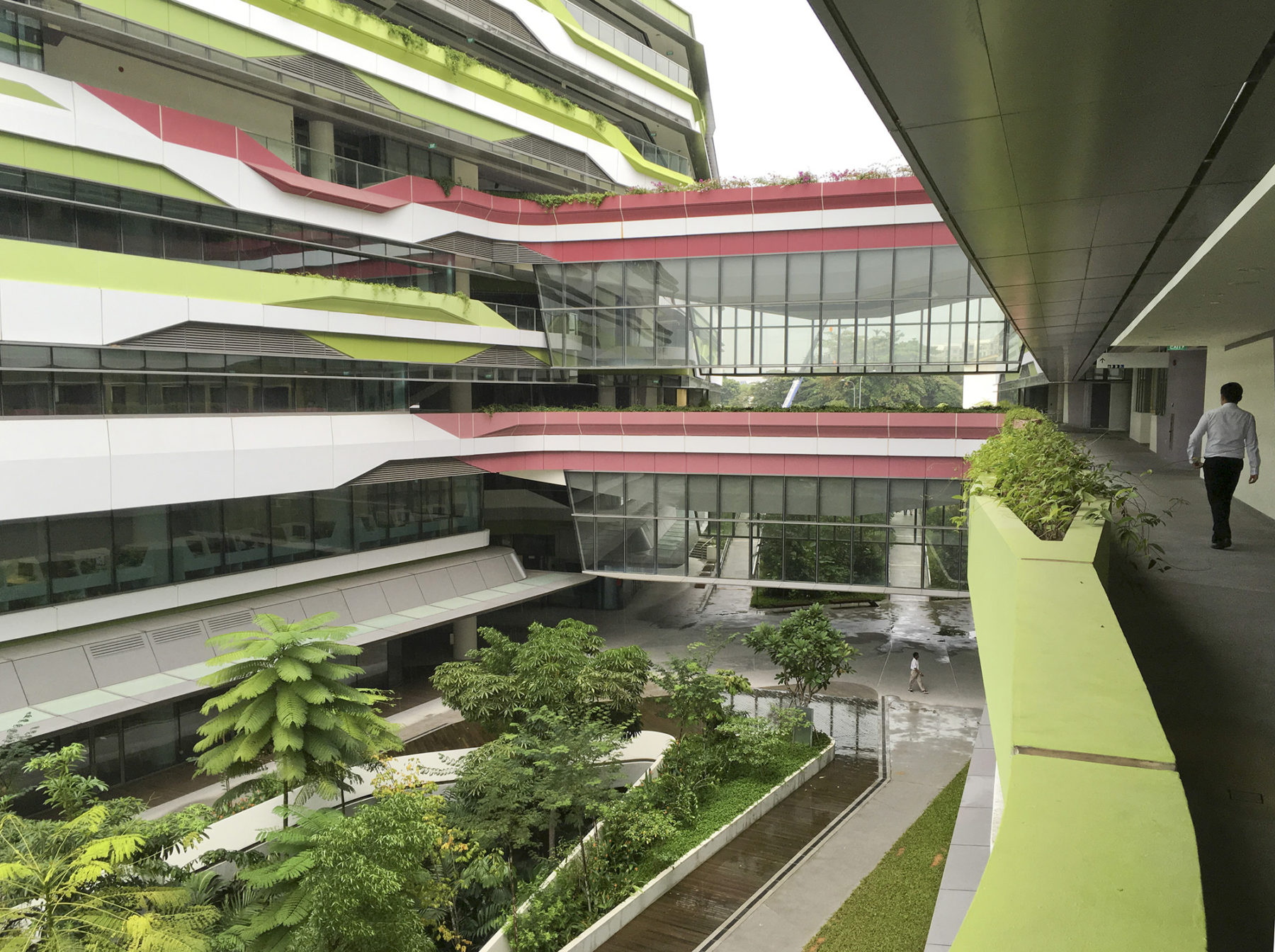
Raleigh campus's Centennial Campus - running between Avent Ferry Road and Lake Wheeler Road - adds a different but equally demanding layer. The campus hosts state government agencies, university research facilities, and private-sector tenants in buildings with rooftop solar arrays, complex laboratory ventilation systems, and sustainability performance targets written into lease and building standards.
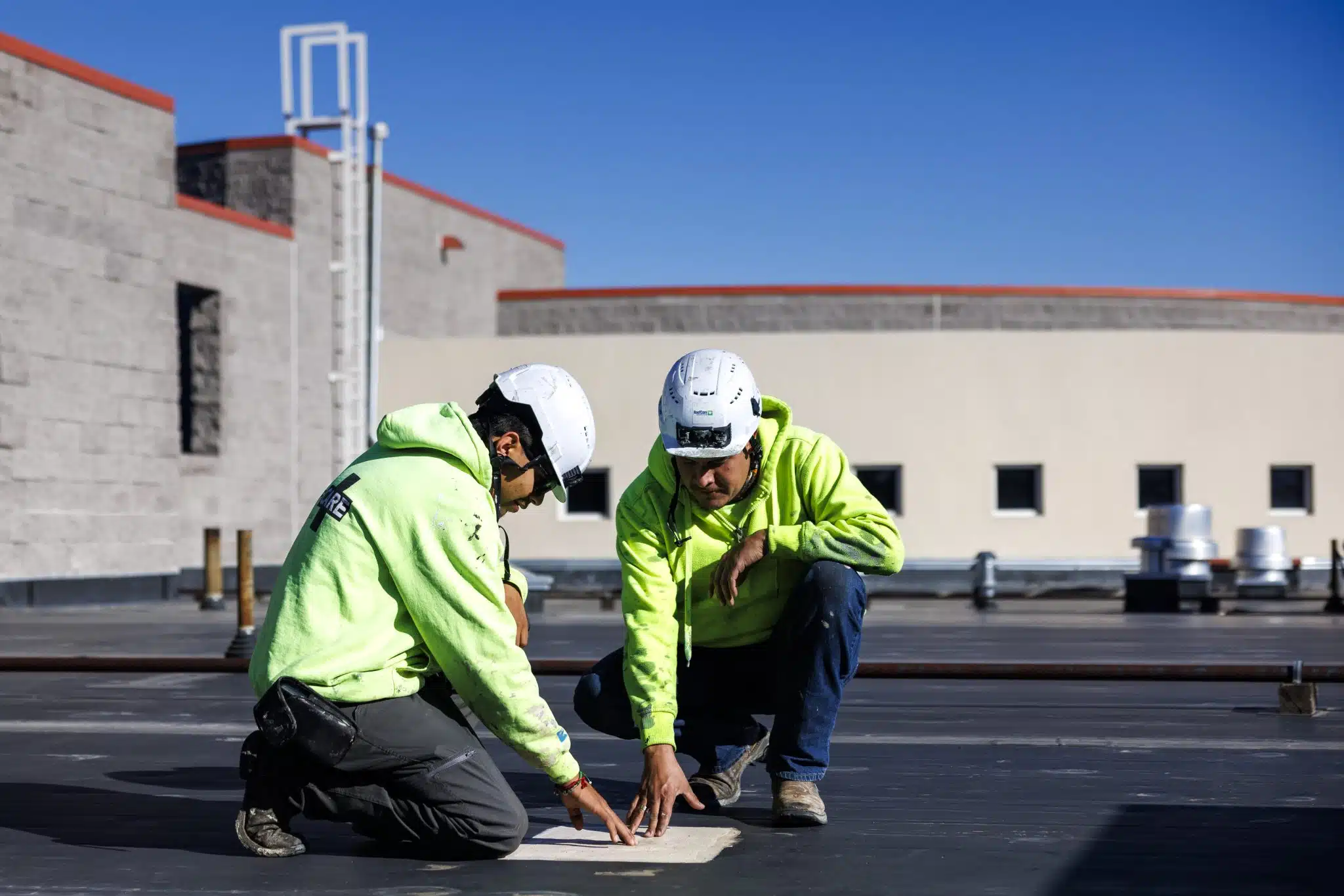
Roofing a technology or research facility is not like roofing a warehouse. The challenges are operational: penetration density is high, equipment on the roof is expensive and sensitive, and an interior water event during an active research run is not just a property problem - it is a business continuity problem. We scope every project in this sector with those constraints as primary design constraints, not afterthoughts.
What Makes Triangle research corridor Campus Roofing Distinct
The average Triangle research corridor corporate campus building has more rooftop penetrations per square foot than a comparable office building in any other part of Wake County. Data center buildings carry dense mechanical and electrical penetrations - cooling towers, exhaust stacks, conduit clusters - that require custom flashing details at every one. Lab buildings on NIEHS's campus and comparable federal research facilities carry biosafety ventilation exhaust points with positive-pressure requirements that cannot be interrupted or compromised during a roofing project.
We map every penetration before a production crew sets foot on the roof. The pre-construction document for a research facility includes a keyed penetration inventory: what it serves, its pressure or temperature characteristics, whether it can be isolated or bypassed during flashing work, and who the responsible party is for sign-off on isolation. That document drives the flashing sequence. Penetrations that cannot be isolated get worked around with temporary cover while adjacent work proceeds; they are the last items closed in the flashing sequence.
research office campus's Triangle research corridor campus buildings, most constructed in the 1960s through 1980s, present a different challenge: aging deck and parapet systems that may have been modified multiple times by different contractors across extensive occupancy. Before we commit to a replacement scope, we inspect the parapet condition, pull deck ports at suspect locations, and document any prior repair history that is visible in the existing system. Buildings that old carry surprises; the professional obligation is to find them during inspection, not during tear-off.
a Raleigh research campus and Institutional Procurement
Centennial Campus roof work runs through Raleigh campus University's facilities procurement process. Licensed contractors, documented general liability and workers' compensation insurance at university-specified limits, and adherence to the university's construction design standards are baseline requirements. We have worked within these requirements and can produce closeout documentation to the format the university's facilities management system accepts - including warranty registration in the university's asset management database.
Centennial Campus buildings increasingly carry rooftop photovoltaic arrays as part of Raleigh campus's sustainability commitments. Array disconnection requires a licensed electrician coordinated in advance; temporary panel protection during roofing production is a specific scope item; and re-commissioning verification before the manufacturer warranty inspection closes the project. We treat PV coordination as a pre-construction planning item on every Centennial Campus job, not something we improvise on mobilization day.
The campus's proximity to Lake Wheeler means that afternoon convective storm cells sometimes develop faster over the lake-influenced terrain than downtown forecasts suggest. We track NOAA hourly forecasts during production and maintain conservative daily dry-in schedules - the lake effect is a minor but real factor in production scheduling on the southern Centennial Campus buildings.
Documentation Standards for Tech and Research Facilities
Technology and research campus facility managers operate in environments where documentation is not optional. ISO-certified facilities, federally regulated research environments, and corporate campus governance frameworks all require that every contractor touch be documented - scope, method, materials, and closeout. Our project documentation for tech and research clients includes: the pre-construction penetration inventory, the daily production log with weather records, the pull-test results for all seam welds, the manufacturer warranty inspection record and signed warranty document, and a zone-keyed photo archive that captures every flashing detail at closeout.
For federal facilities like NIEHS - a National Institutes of Health campus in Triangle research corridor - documentation may need to We understand those requirements and build them into the project's administrative setup before mobilization.
network technology campus's Triangle research corridor campus and comparable enterprise technology facilities often require vendor credentialing through a third-party system - Avetta, ISNetworld, or similar - as a prerequisite to contractor access. We maintain active compliance profiles and handle credentialing coordination as a standard pre-construction step.
Frequently asked questions
How do you protect sensitive rooftop equipment during replacement at an Triangle research corridor facility?
Pre-construction inventory is the answer. We document every piece of rooftop equipment before mobilization - make, model, operational status, isolation capability, and physical protection requirements. Sensitive equipment gets temporary covers or barriers before any tear-off begins. Communication antenna arrays, satellite dishes, and condenser units are worked around within the production sequence, not disrupted and then reconnected. We do not move equipment we have not explicitly planned and approved with the building's facilities team.
Can you work on an occupied Centennial Campus building without interrupting lab operations?
Yes - and we have done it. The key is pre-construction sequencing that identifies which roof zones are directly above active lab or clean-room spaces, what the overhead vibration and noise tolerance is for the equipment below, and what the HVAC intake/exhaust relationships are between rooftop units and interior spaces. We develop a zone-by-zone production plan, share it with the facilities manager and relevant lab directors before mobilization, and sequence production to keep active lab zones in service while we work over non-sensitive areas first.
Does the growing technology campus Triangle research corridor campus represent new construction or renovation work?
New construction roofing is part of our scope. For the technology campus campus and comparable large new-construction projects in the Triangle research corridor corridor, we work with the general contractor during design-assist to specify systems that New construction is a different project type than replacement - the design-assist phase, where system selection and detailing happen before the building is under roof, is where we add the most value.