Property Type
Roof assessment, replacement, and maintenance for Triangle research corridor corporate and research campuses - research office campus, network technology campus, technology campus, GSK, NIEHS, and the technology campus campus development - with the managed-access protocols, uptime requirements, and closeout documentation that Triangle research corridor facilities demand.
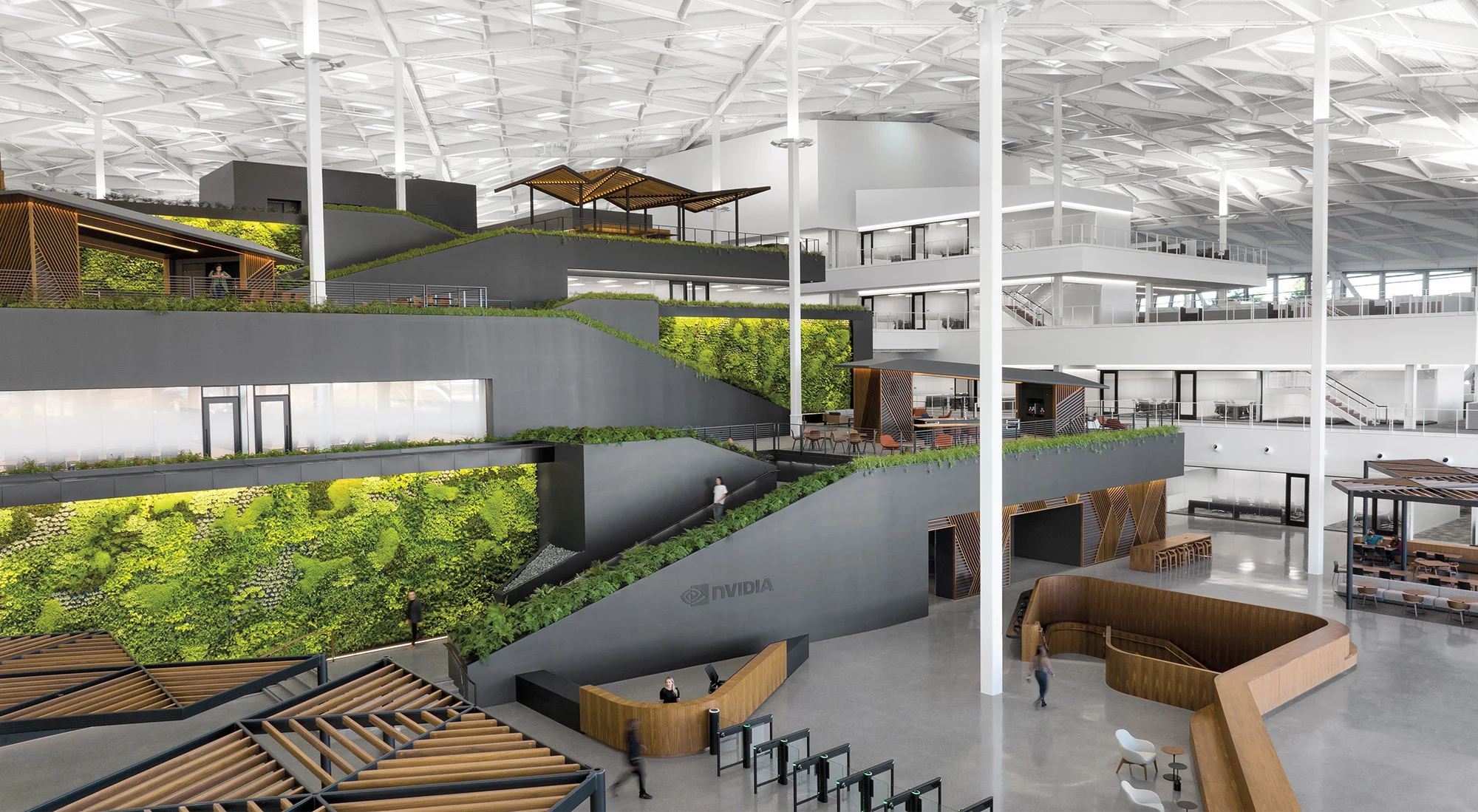
Triangle research corridor is 7,000 acres of corporate and research campus development between Durham and Wake Counties, and it anchors the most technology-intensive commercial real estate market in North Carolina. research office campus's T.W. Alexander Drive campus, network technology campus's East Cornwallis facility, technology campus's Perimeter Park headquarters, GlaxoSmithKline's campus off NC-54, and the National Institute of Environmental Health Sciences' 500-acre campus on TW Alexander Drive collectively represent billions of square feet of research, corporate, and laboratory building stock.
technology campus's announced campus development in Triangle research corridor - one of the largest private-sector development commitments in North Carolina history - will add significant new construction to the park's eastern edge along the I-540 corridor over the coming decade. That construction pipeline represents both the future of the park's tenant mix and the future of its commercial roofing maintenance and replacement cycle.
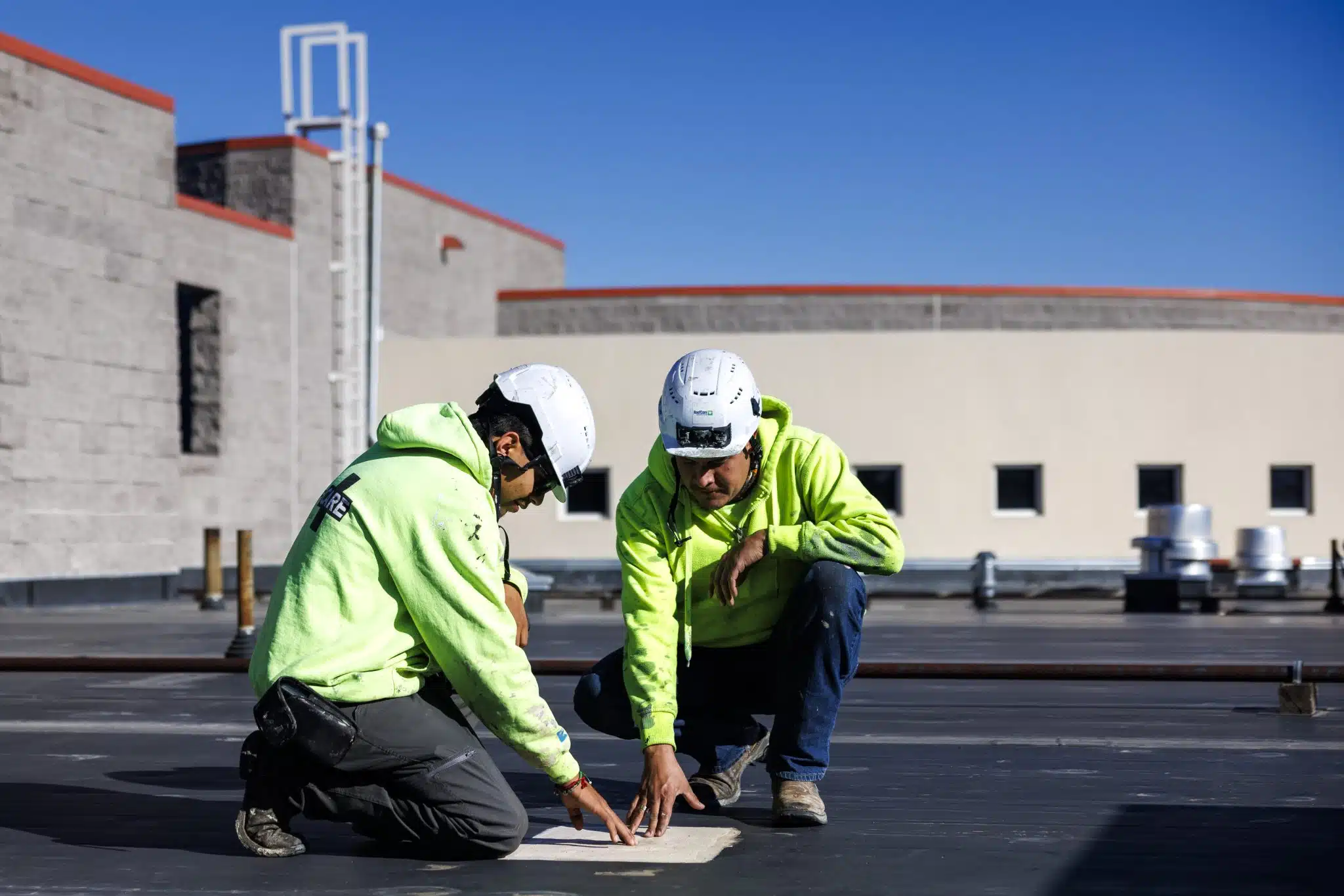
Tech and research buildings carry roofing requirements that differ from standard commercial office work in three specific ways: the density of rooftop penetrations from laboratory ventilation and data infrastructure, the uptime constraints that make planned production windows narrow and unplanned disruptions unacceptable, and the managed-access environments that govern contractor movement, documentation, and badging. Working in Triangle research corridor requires preparation for all three.
research office campus, network technology campus, and technology campus - Corporate Tech Campuses
research office campus's facilities on T.W. Alexander Drive represent one of the longest-tenured major corporate presences in Triangle research corridor. The buildings carry a mix of roof systems reflecting decades of construction and renovation cycles - original BUR systems on the oldest structures, TPO and EPDM systems from the 1990s and 2000s renovation waves, and newer single-ply and metal systems on more recent additions. A campus-wide condition assessment that maps the current status of each building's roof system and its remaining useful life is the starting point for any serious capital planning conversation with an research office campus facilities team.
network technology campus's East Cornwallis Road campus is a more recently constructed corporate facility with a more homogeneous roof system profile - primarily TPO systems from the 2000s and 2010s construction waves, approaching the midpoint of their service life with manufacturer warranty documentation that should be current. The density of rooftop data and telecommunications infrastructure on tech corporate campus buildings means that any penetration work near antenna arrays, microwave dishes, and cable entry points requires pre-coordination with the facilities team's IT infrastructure group.
technology campus's Perimeter Park headquarters building carries a similar profile to other post-2000 Triangle research corridor corporate facilities - TPO or EPDM on the main roof field, significant rooftop mechanical and telecommunications equipment, and an internal facilities team that expects contractor professionalism commensurate with the building's standards.
GSK, NIEHS, and Pharmaceutical Research Facilities
GlaxoSmithKline's Triangle research corridor campus on NC-54 is one of the largest pharmaceutical research and manufacturing campuses on the East Coast. The site includes research laboratories, manufacturing facilities, and administrative buildings with environmental control requirements that go well beyond standard commercial building specifications. Rooftop HVAC systems on pharmaceutical research buildings carry biosafety and contamination-control requirements that make any interruption to the building envelope - including a roofing project - an event that requires formal change-control documentation.
The National Institute of Environmental Health Sciences campus on T.W. Alexander Drive is a federal research facility with its own distinct access and documentation requirements. NIEHS is a component of the National Institutes of Health, and work on its buildings requires compliance with federal contractor standards, security clearance processes where applicable, and documentation of work that meets federal facility management requirements.
Pharmaceutical research buildings throughout Triangle research corridor - including the Biogen facility on T.W. Alexander, the Burroughs Wellcome Fund buildings, and the wave of biotech tenant buildings in the park's research campus zones - share the characteristic that operational continuity is not a preference but a contract requirement. A manufacturing-batch record or a laboratory experiment in progress cannot be interrupted by an HVAC event caused by a roofing contractor's failure to coordinate a mechanical shutdown.
The technology campus Campus and New Triangle research corridor Development
technology campus's commitment to a major campus development in Triangle research corridor - announced in 2021 and actively in planning and early construction phases - represents the most significant addition to the park's tenant mix since GSK's campus expansion in the early 2000s. The announced campus would house thousands of employees and include office, R&D, and support facilities across multiple buildings on the park's eastern edge near NC-540.
New construction in Triangle research corridor's tech campus segment sets a high baseline for roofing system quality. technology campus's facilities standards - like those of other major tech campus operators - specify membrane systems, insulation assemblies, and warranty paths that align with LEED and sustainability performance targets. We are familiar with TPO and PVC systems specified to LEED requirements and with the enhanced warranty documentation that sustainability-certified buildings require at closeout.
The broader new development pipeline in Triangle research corridor - including the continuing build-out of the park's research campus zones along Raleigh Boulevard and the Scott King Road corridor - creates ongoing demand for roofing services from contractors who understand the managed-campus environment. That environment rewards preparation, documentation, and communication over speed and lowest-bid execution.
Frequently asked questions
How do you handle vendor credentialing for Triangle research corridor corporate campus buildings?
Vendor credentialing for Triangle research corridor corporate campuses - research office campus, network technology campus, GSK, and the federal NIEHS facility - typically involves pre-clearance through a corporate procurement or facilities system, proof of insurance at specified limits, background check requirements for crew members, and sometimes facility-specific safety orientation or badging. We treat credentialing as a pre-construction task with a lead time of two to four weeks, not as a day-of-mobilization item. If you provide the credentialing requirements and the facilities contact, we handle the enrollment and coordination directly.
Can you work on an occupied pharmaceutical research building in Triangle research corridor?
Yes, with formal change-control coordination with the facility's operations team. Pharmaceutical research buildings require that roofing work affecting the building envelope, HVAC systems, or laboratory environment be documented in a change-control process before mobilization. That process typically involves a written scope submission, a review by the facility's operations and EHS teams, an approval signature, and a defined production window tied to a period when the adjacent laboratory operations are not in a critical phase. We participate in that process from pre-construction, not as a field-day explanation.
What documentation does an Triangle research corridor tech campus building require at closeout?
Standard closeout documentation for Triangle research corridor tech campus buildings includes the manufacturer warranty document, a photo-keyed roof zone diagram with all penetrations documented, the maintenance contract, and the permit closeout from the relevant municipality. For buildings with sustainability certifications, we provide LEED-aligned documentation including membrane product data sheets with reflectance and emittance values, insulation R-value documentation, and a warranty summary letter formatted for submission to the certification body. For federal facilities like NIEHS, closeout documentation follows the format specified in the facility's work order system.