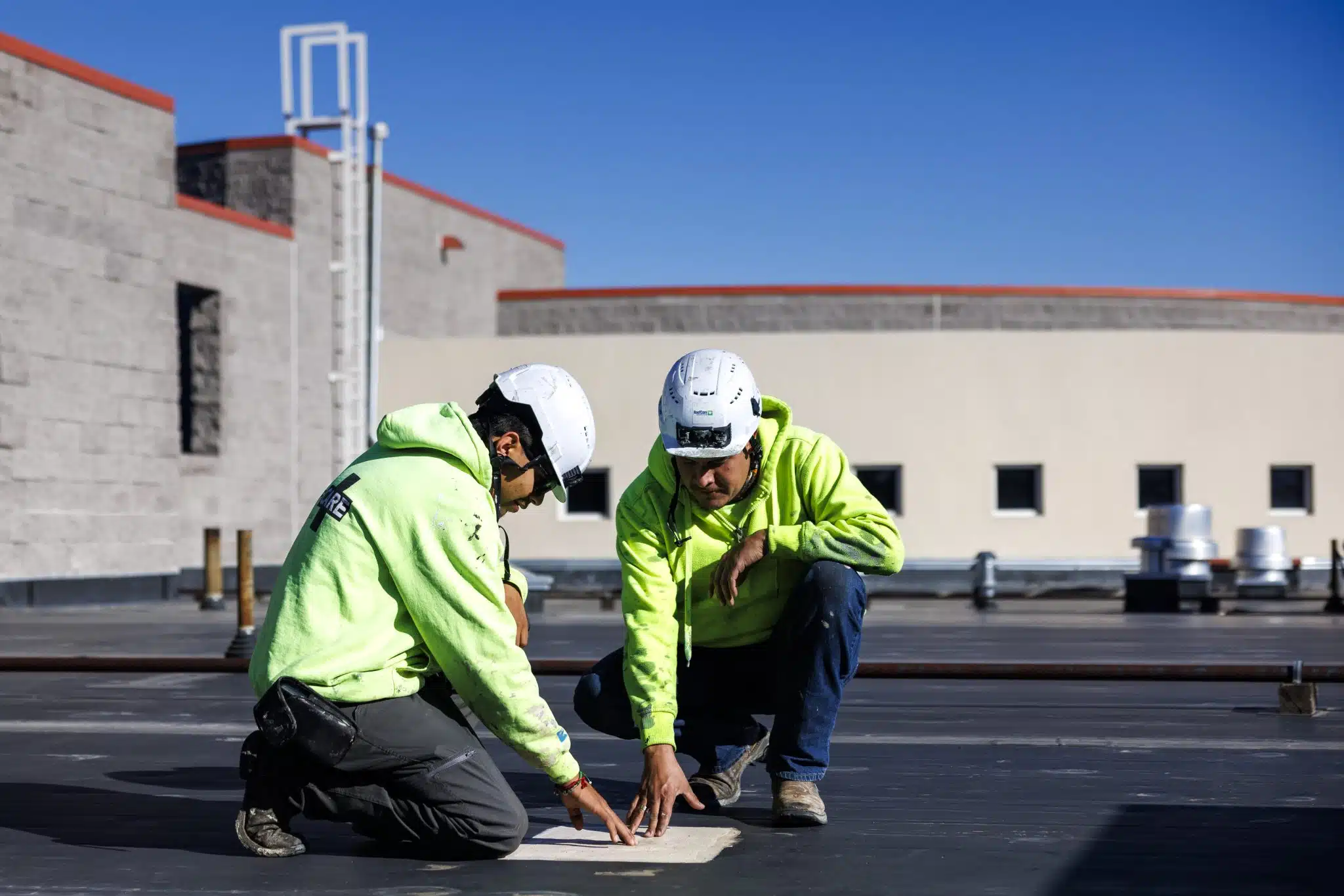
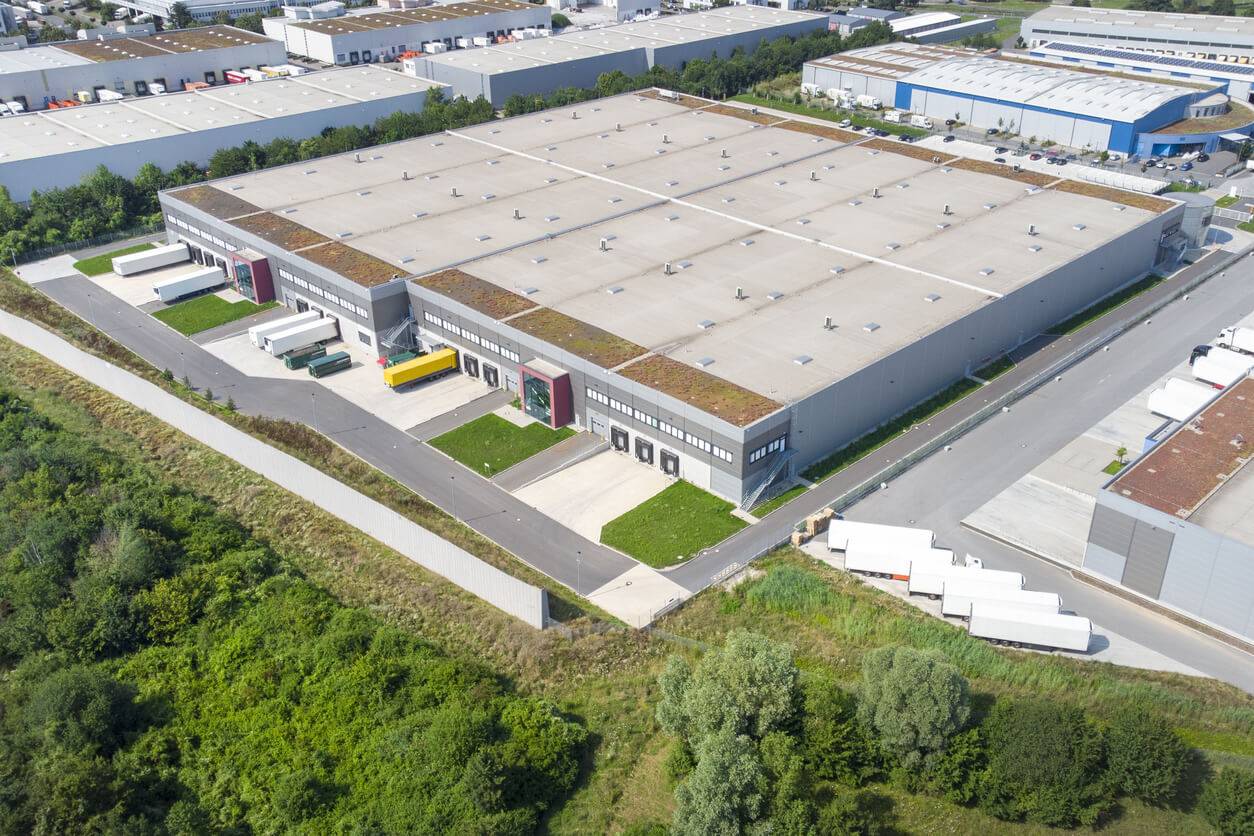
Industrial Roofing for manufacturing facilities, warehouses, and industrial buildings throughout Raleigh area.
Raleigh and the Research Triangle represent one of the most dynamic industrial and technology manufacturing markets in the United States. Triangle research corridor - at 7,000 acres, the largest research park in the country - anchors a cluster of pharmaceutical manufacturing, biotechnology, semiconductor fabrication, and information technology facilities that has few equals anywhere in the nation. GlaxoSmithKline, Biogen, network technology campus, and research office campus maintain major manufacturing and R&D campuses here, and the support infrastructure of distribution, logistics, and light manufacturing that serves this economic engine fills the I-40/I-540 corridor with buildings that require professional industrial roofing services every day of the year.
Triangle research corridor itself presents an unusual industrial roofing environment - the park's governing organization and the major tenants who occupy its campuses maintain high standards for facilities maintenance and expect roofing contractors who bring technical expertise, documentation thoroughness, and the ability to work within complex, active research environments. Life sciences manufacturing facilities require absolute waterproofing integrity given the potential for water infiltration to contaminate production environments or damage precision laboratory equipment. The pharmaceutical manufacturing facilities in Triangle research corridor must maintain regulatory compliance with FDA current Good Manufacturing Practice requirements, and a roofing failure that compromises facility environmental controls can have significant regulatory consequences.
Raleigh-Durham International Airport's cargo logistics facilities and the Clayton distribution corridor to the east of Raleigh have become major anchors of the region's logistics economy. Large distribution centers operated by e-commerce logistics, Target, and dozens of other major retailers and third-party logistics companies line the US-70/I-87 corridor between Raleigh and Clayton, creating substantial industrial roofing demand. These large-format, low-slope buildings require drainage engineering, edge detail specifications, and mechanical attachment systems designed for North Carolina's rainfall regime and wind exposure. The proximity of this corridor to the coast creates meaningful hurricane wind speed requirements that must be properly engineered.
North Carolina receives 46 inches of annual rainfall, delivered across a full year of weather events that include summer convective thunderstorms, Atlantic hurricane remnants, and winter nor'easters that can produce ice storms with significant economic impact. The 6 inches of average annual snowfall understates the real winter weather risk in Raleigh - ice storms, which occur every few years, can coat roofing surfaces and drainage components with layers of ice that block drains, add unexpected structural loads, and cause membrane damage when ice sheets slide from roof slopes. We engineer drainage systems with adequate slope and secondary overflow capacity to handle both normal rainfall and the backup conditions that ice events can create.
Ice storms are a particularly important design consideration for Raleigh industrial roofing that is often underweighted by contractors without deep regional experience. Unlike the predictable snow loading of northern markets, Raleigh's ice events arrive unpredictably, coat surfaces instantly, and can deposit weight loads that older industrial buildings were never designed to carry. Ice dam formation at roof edges - where ice accumulates and prevents drainage - can create water backup that infiltrates membrane laps and penetration details under hydraulic pressure. We ensure that perimeter drainage systems are designed to shed ice events rather than accumulate them, and that edge details minimize the conditions that allow ice dams to form.
Biogen's Triangle research corridor campus includes manufacturing buildings for one of the world's leading multiple sclerosis and neurodegenerative disease drug manufacturers. Pharmaceutical manufacturing facilities require roofing systems that contribute to rather than compromise the carefully controlled internal environment. We have experience with the documentation requirements, access protocols, and quality assurance standards associated with pharmaceutical manufacturing facilities, and we understand that the regulatory implications of a roofing failure in this type of facility extend far beyond the cost of the physical damage. Documentation of installed materials, installation procedures, and quality inspections is thorough and meticulous on every pharmaceutical facility project we undertake.
Semiconductor and electronics manufacturing facilities in the Research Triangle - including network technology campus's hardware manufacturing operations and the technology manufacturing companies that have clustered in the Morrisville, Durham, and Hillsborough industrial corridors - require the same level of roofing precision and documentation as pharmaceutical manufacturing. Clean environments, precision equipment, and continuous operations create roofing requirements that go well beyond standard industrial work. We treat these facilities with the technical rigor their operational sensitivity demands and work within the facility management protocols that protect their production environments.
Energy performance is a significant priority for Raleigh-area industrial facilities. North Carolina has adopted ASHRAE 90.1 commercial energy code requirements that specify minimum insulation R-values and, for large commercial buildings, may require cool roof reflectance specifications. The Triangle area sits in climate zone 3A - a mixed humid climate with meaningful both heating and cooling loads - where roofing insulation upgrades and cool roof specifications provide measurable energy savings on large industrial buildings. We evaluate energy code compliance requirements for every project and provide documentation of compliance as a standard deliverable.
The Research Triangle's academic and innovation economy has generated significant demand for mixed-use and adaptive reuse projects that combine laboratory, manufacturing, and office functions in repurposed industrial buildings. These projects require roofing solutions that serve the diverse functional requirements of the new occupants - often including laboratory-grade weatherproofing, extensive rooftop mechanical equipment integration, and architectural requirements for visible roof areas. We work with architects and developers on these projects from the design phase, contributing industrial roofing expertise to project teams that may be less familiar with the technical demands of large-scale roofing assemblies.
From the pharmaceutical manufacturing campuses of Triangle research corridor to the e-commerce distribution centers of Clayton, from the semiconductor facilities of Morrisville to the emerging life sciences manufacturing corridor around the Durham-RDU industrial parks, the Research Triangle's industrial economy demands roofing contractors who combine technical sophistication with the practical knowledge of North Carolina's climate and regulatory environment. Our team holds current North Carolina contractor licensing, manufacturer certifications for the major roofing systems used in the Triangle market, and the experience to handle the most demanding industrial roofing projects the region offers. Contact us to schedule a comprehensive assessment of your facility.
Questions Owners Ask
What special roofing requirements apply to pharmaceutical manufacturing facilities in Triangle research corridor?
Pharmaceutical manufacturing facilities regulated under FDA current Good Manufacturing Practice must maintain controlled environmental conditions that a roofing failure can compromise. From a roofing specification standpoint, this means absolute waterproofing integrity is the primary design criterion - zero-leak performance rather than merely code-compliant performance. Documentation requirements are more rigorous than standard industrial projects: installed materials must be identified by lot number, installation procedures must be documented, and quality inspections must produce written records. Access to pharmaceutical facilities typically requires advance approval, health and safety training, and compliance with the facility's specific protocols. We treat pharmaceutical campus roofing projects as quality-critical work and maintain documentation standards appropriate for regulated manufacturing environments.
How do I prepare my Raleigh industrial roof for the ice storm events that occur every few years?
Pre-winter inspection should confirm that all primary and secondary drainage components are clear and operational, that perimeter edge metal is fully secured, and that any heat tape or drain heating systems installed in previous seasons are functioning. Ice event preparation also includes confirming that roof access is planned for post-ice inspection - ice accumulation can be deceptive in indicating where structural load has concentrated. After an ice event, do not allow personnel to walk on an iced roof to clear it - the combination of slippery surfaces and potential structural stress creates serious safety hazards. Contact us for professional post-ice inspection, which includes surface temperature monitoring to assess when conditions are safe for access and a systematic evaluation of load distribution across the roof structure.
What drainage design handles both Raleigh's summer thunderstorms and potential ice blocking?
An effective drainage system for Raleigh industrial buildings combines adequate primary drain capacity sized for summer thunderstorm intensity, secondary overflow scuppers positioned to prevent water accumulation beyond structural limits, and edge metal profiles designed to allow meltwater to drain freely rather than accumulate at the perimeter. Interior drains - while common on large industrial buildings - are more vulnerable to ice blocking than peripheral scuppers because ice can form in the drain body and leader without visible indication from the exterior. Where interior drains are used, we specify heated drain inserts or position drains away from cold roof areas that freeze first. Minimum slope of 1/4 inch per foot throughout the roof field ensures water moves to drain locations rather than ponding in low spots.
Are there specific hurricane wind requirements I should design to for facilities near Raleigh?
Raleigh is located far enough inland that it falls below North Carolina's Special Wind Region designation, but the city's design wind speed under the North Carolina Building Code still produces meaningful wind uplift requirements for industrial buildings. More importantly, Raleigh has received remnant hurricane wind events - including significant events from tropical systems that maintained wind speeds above 50 mph well inland - that can test roofing edge details and perimeter flashings. We design industrial roofs in the Triangle area to FM 1-90 minimum uplift standards throughout the field and provide enhanced fastening density at perimeter and corner zones where uplift forces are typically 2 to 3 times the field values. This approach provides a meaningful safety margin above code minimums for a facility located in a region with genuine tropical storm exposure.
How often should my Triangle research corridor industrial facility be professionally inspected?
For mission-critical industrial facilities in Triangle research corridor - pharmaceutical manufacturing, semiconductor fabrication, data center, or biotech laboratory buildings - we recommend semi-annual professional inspections, typically in spring after winter weather has passed and in fall before the first significant storms. For standard industrial and warehouse facilities, annual inspection is the minimum acceptable frequency, with semi-annual inspections being a cost-effective best practice given North Carolina's weather variability. Each inspection should produce a written report with photographs, a prioritized list of any deficiencies identified, and cost estimates for recommended repairs. This documentation also serves as evidence of due diligence in maintaining the facility, which is relevant to both insurance coverage and manufacturer warranty compliance.
Frequently asked questions
Is built-up roofing still installed on new commercial buildings in Raleigh?
Rarely, and effectively not at all for new construction. The hot-mopping logistics, equipment requirements, and fume management make new BUR installation noncompetitive against TPO, modified bitumen, and EPDM for comparable service life. The entire BUR market in the Triangle is assessment, repair, and replacement of the existing inventory - primarily the 1960s through 1980s commercial building stock that predates the single-ply era.
How do I know if my Raleigh building's BUR system needs replacement versus repair?
Core pull data is the only honest answer. A BUR surface that looks marginal may have dry insulation and be a legitimate recover candidate. A surface that looks serviceable may have 40 percent saturation and need full replacement. Visual assessment of BUR by any contractor cannot substitute for core pulls. We pull cores, show you the data, and make a recommendation based on what we find - not based on the project size we want to close.
My building has had multiple BUR patches applied over the years. Does that affect the replacement decision?
Patch history often complicates the recover option more than it affects the replace decision. Repeated patches with incompatible materials - asphalt over coal tar, cold-process over hot BUR - create adhesion problems for any recover system. If the patch history is complex and the new system cannot achieve adequate adhesion to the existing substrate, full tear-off is the only path to a warranted installation. We document patch history during inspection and flag incompatibility risks before any recover scope is proposed.
Do you handle BUR replacement on large industrial buildings along the I-40 and US-1 corridors?
Yes. Large-footprint BUR replacement on industrial buildings in the southwest Wake County and Johnston County markets - buildings of 100,000 to 400,000 square feet - is a significant part of our work. These projects require detailed pre-construction staging plans, sequenced tear-off and daily dry-in to protect active operations below, and sometimes multi-season project scheduling for facilities that cannot absorb a full roof disruption in a single mobilization.