Finding the leak source on a commercial flat roof is a diagnostic problem, not a caulk-and-pray exercise. We locate the source, fix it to a documented standard, and tell you what the repair does and does not address for the roof's longer capital horizon.
Water stains on a ceiling tile do not tell you where the leak is. On a commercial flat roof, water that enters at one point travels across the deck, down through insulation layers, and enters the interior at whatever low point the structure provides - often twenty or thirty feet from the actual entry point. Caulking the obvious drip location on the surface rarely fixes the leak and rarely produces the documentation a property manager needs to close out the maintenance record.
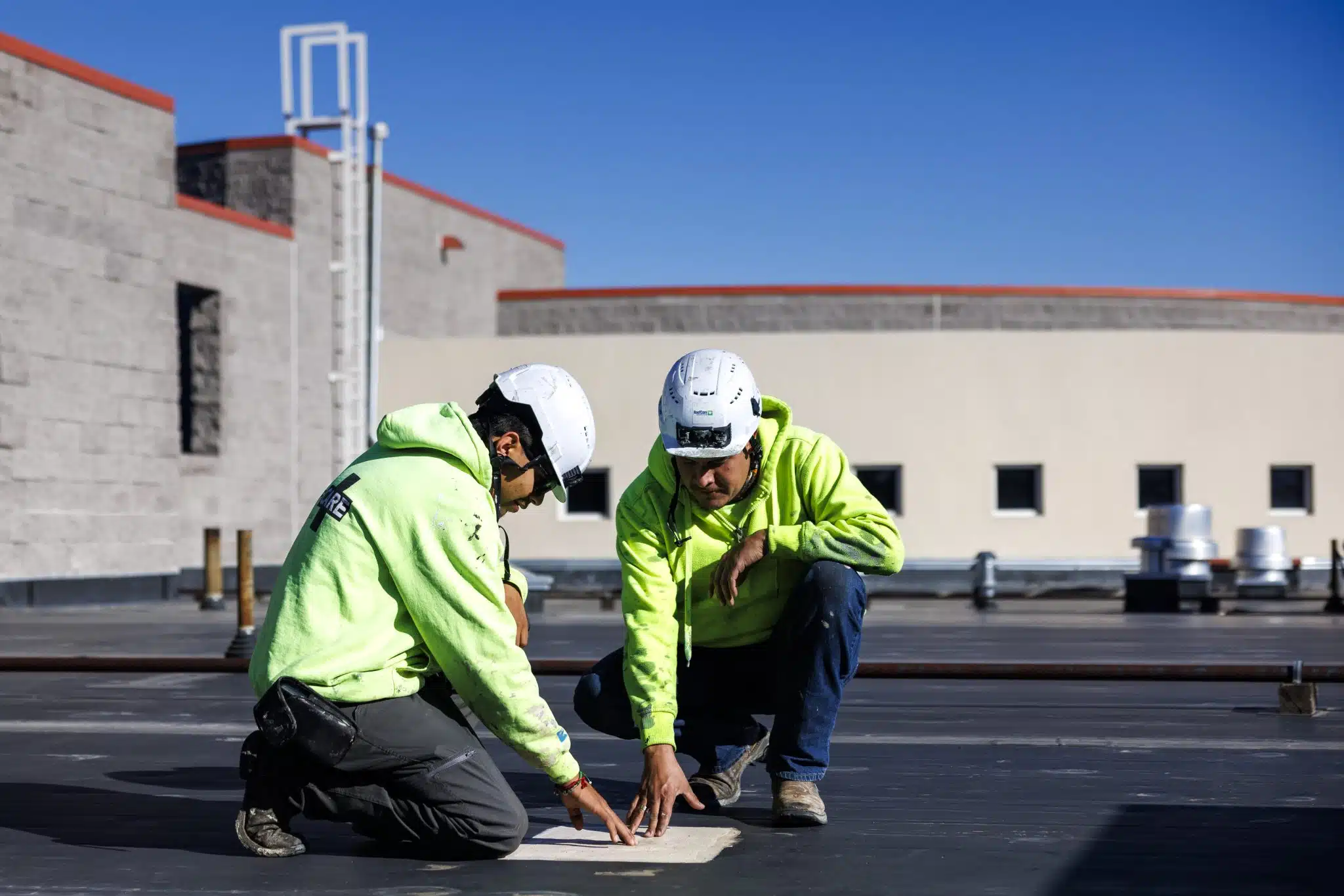
Our leak repair process starts with source location. We perform a systematic inspection of the roof area above the water intrusion, working outward from the interior intrusion point in the direction of water flow on the deck. We check penetrations, seams, drain conditions, parapet flashings, and equipment curbs in sequence. If the source is ambiguous, we use electrical leak detection or infrared moisture scanning to narrow the location before cutting into anything.
The repair itself is executed to a documented standard - manufacturer-specified materials and methods, with photographs before, during, and after. The closeout record tells the building owner exactly what failed, what was repaired, what materials were used, and whether the repair addresses the full failure or identifies a larger condition that the building owner should plan against.
Common Leak Sources on Raleigh Commercial Roofs
Penetration and curb base flashings account for the majority of active leaks we repair on Raleigh commercial buildings. HVAC unit curbs, pipe penetrations, conduit entries, and equipment supports are the locations where membrane continuity is broken - and where installation shortcuts, aging caulk, and thermal movement combine to create failure paths. Every time a penetration is added after the original roof installation, without properly integrating the new penetration into the membrane system, a potential leak source is created.
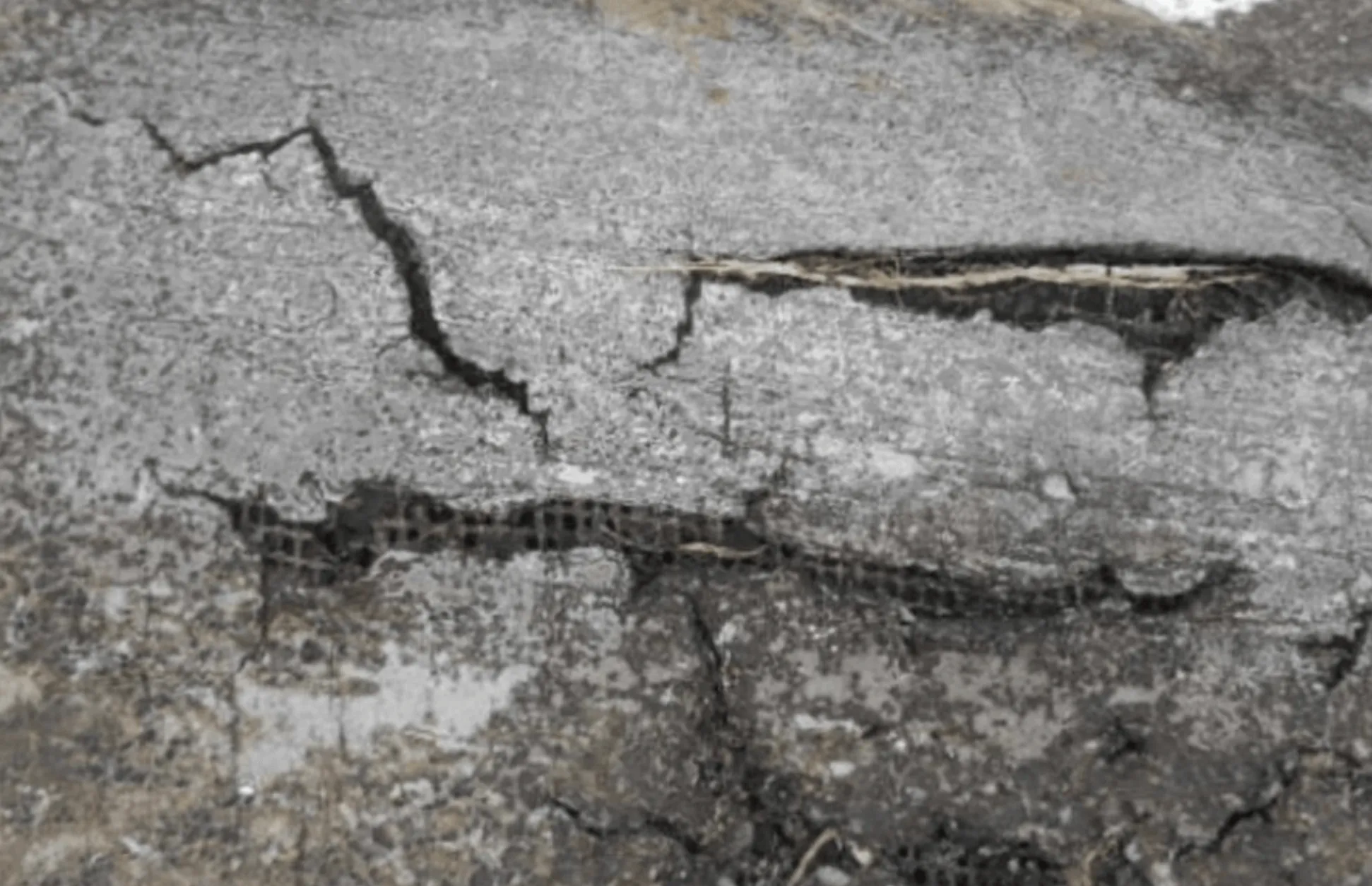
Lap seams and field welds are the second most common source. On TPO and PVC systems installed more than 10 years ago, the adhesive-bonded or inadequately welded seam at the membrane edge is often the failure point. These seams do not fail all at once - they open gradually over years, and the small opening that passes moderate rainfall can fail dramatically during the sustained water loading of a hurricane remnant event. We find these on virtually every aging flat roof inspection we perform in the downtown mixed-use corridor and North Hills office corridors.
Parapet wall base flashings are the third category - and the most likely to produce interior damage that looks entirely unrelated to the roof. Water infiltrating behind a parapet base flashing runs down the wall cavity and appears as a window leak, a wall stain, or a flooring issue with no obvious connection to the roof. Distinguishing wall-infiltration from roof-infiltration requires understanding the building envelope as a system, not just the roof surface in isolation.
Emergency Dry-In and Temporary Protection
When water is actively entering a Raleigh commercial building - through a storm event or a sudden failure - the first priority is stopping the immediate damage. We carry emergency dry-in materials on our service vehicles: temporary membrane patches, tarping material, and drain plug equipment for situations where a blocked drain is the immediate cause.
For buildings within the I-440 Beltline - which covers all of Downtown Raleigh and most of Midtown, North Hills, and the commercial corridors around Raleigh campus - we can mobilize for emergency dry-in within four business hours. Call 919-372-4890 directly. Do not wait for a web form response when water is coming through the ceiling.
Temporary dry-in is not a permanent repair. It stops the bleeding so you can plan the actual repair without emergency pricing pressure. After dry-in, we schedule the full diagnostic inspection, identify the complete failure picture, and deliver a written repair scope - so you are making a repair decision based on information, not on whoever is standing on the roof when the bucket overflows.
Permanent Repair and Documented Closeout
Permanent leak repair on commercial flat roofs involves more than patching the surface at the visible failure point. We replace or re-flash the failed component with manufacturer-specified materials: heat-welded TPO or PVC patches and flashings for single-ply systems; cold-applied membrane and flashing for modified bitumen systems; compatible sealant products for specific penetration types. We do not use generic caulk or tape-over patches that degrade in the Triangle's UV environment within a season.
Every repair we perform is documented with before-and-after photographs, a written description of what failed and what was replaced, the materials used, and the date of repair. This documentation is provided to the building owner as a permanent record. For buildings with active manufacturer warranties, we document the repair in a way that is consistent with the warranty's repair requirements and notify the manufacturer's warranty service if the warranty requires manufacturer awareness of repairs.
After a repair, we assess whether the repaired failure is an isolated event or a leading indicator of broader system condition. If a penetration flashing failed on a 15-year-old TPO system, the penetration failure may be the first of several - and the building owner deserves to know that before planning their next capital cycle. We include that assessment in the repair closeout record, even when the answer might be that the repair was a one-off and the rest of the system is fine.
Frequently asked questions
How do you find the leak source if the interior water stain is far from the obvious roof penetrations?
We follow the water path backwards. Water on a commercial flat roof travels horizontally across the deck to the nearest low point before entering the building - sometimes 20-40 feet from the actual entry point. We start at the interior intrusion point, identify the water travel path on the deck from the deck slope and drain layout, and work outward to find where the entry point is on the surface. For ambiguous cases we use electronic leak detection, which applies a low-voltage current to the membrane surface and identifies conductivity anomalies at breach locations. This is more accurate and less destructive than probing or flood-testing on an occupied building.
Is a single repair enough, or do leaks tend to come back?
That depends entirely on why the original failure occurred. A flashing that failed because it was installed wrong or because the caulk aged out on a 20-year-old penetration - that is a one-time fix if you replace the flashing correctly. A seam that failed on a 12-year-old TPO roof because the membrane has reached the end of its useful service life - that repair holds, but the next seam adjacent to it may fail within a year. We tell you which situation you are in as part of the repair closeout documentation. We do not sell you a patch and pretend the context does not exist.
Should I have the roof inspected even if only one spot is leaking?
Yes, particularly if the roof is more than 10 years old. Active leaks are symptoms. The failure that produced the visible symptom is usually part of a broader pattern - aging seams, deteriorating penetration flashings, drain issues - and identifying the full pattern before the next storm event is significantly cheaper than reacting to each new intrusion point as it manifests. A documented inspection at the time of repair gives you a condition baseline that is useful for every capital decision you make about the building for the next several years.