A roof inspection should produce a document that supports a capital decision - not a sales pitch for replacement. Our inspections deliver a photo-keyed condition report that a facilities manager or asset manager can actually use.
Every commercial roof replacement or repair we do starts with a documented inspection. That is not a sales step - it is the only way to write a scope that is honest about what is actually wrong. We have walked roofs in Downtown Raleigh where the building owner was three months away from signing a full replacement contract based on visible blistering, and the moisture core pull confirmed the insulation was dry. The repair scope was a fraction of the replacement cost.
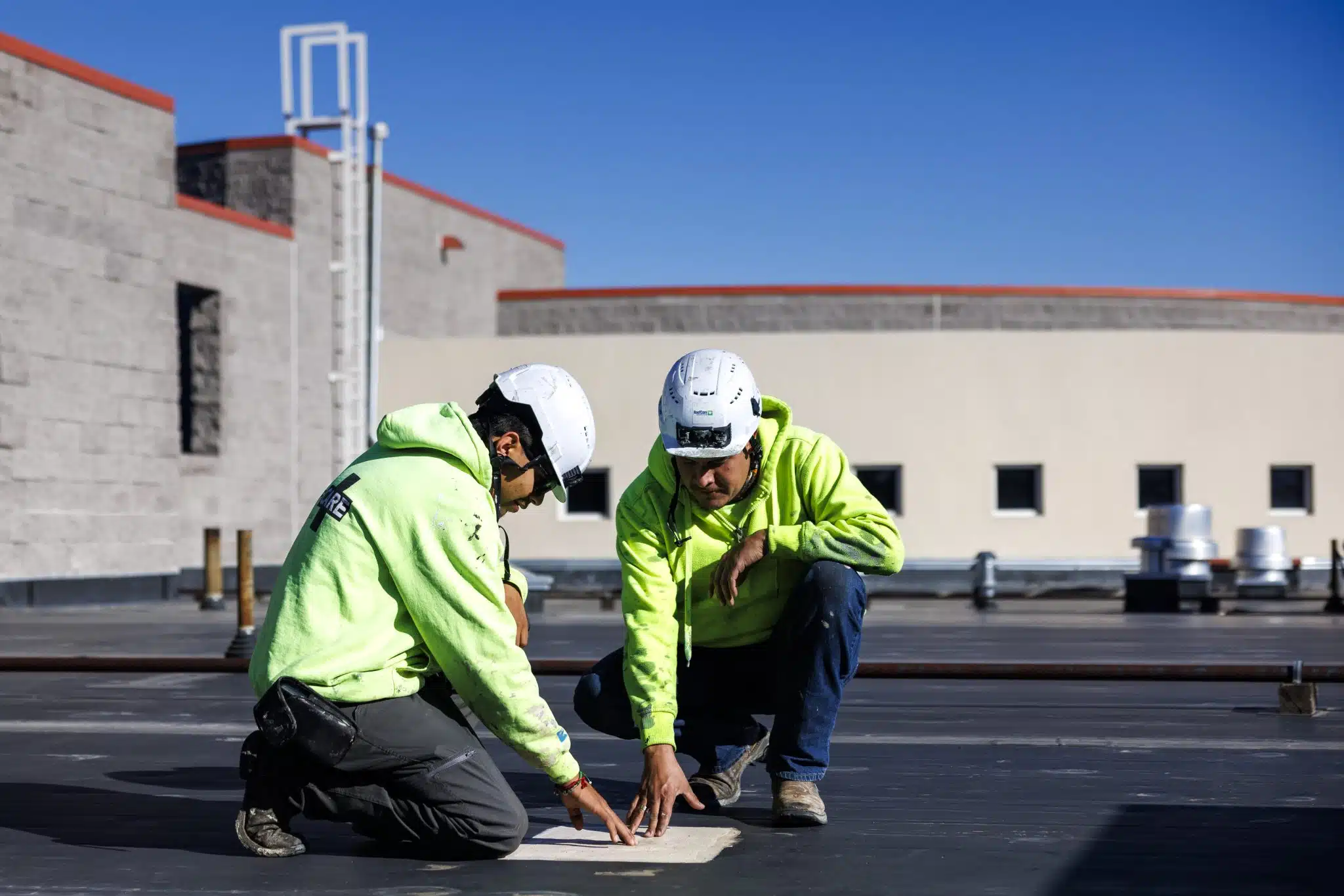
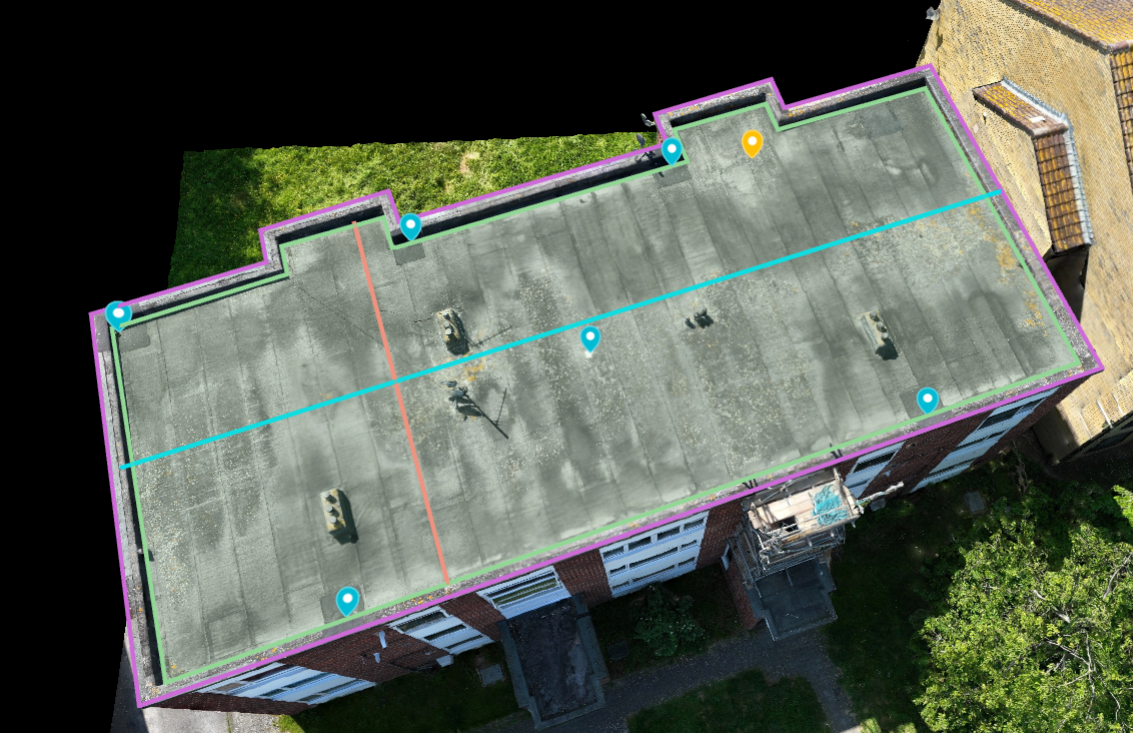
Our inspection protocol covers every surface area, every penetration, every parapet condition, every drain, and every area of prior repair. We photograph to a zone diagram so the building owner has a spatial record, not a stack of photos with no context. The condition report identifies what is failing, what is at risk, and what has remaining useful life - and it separates those categories clearly.
Raleigh's climate makes periodic inspection genuinely important. The Triangle's summer convective storm season runs May through September with regular afternoon events. Hurricane remnant moisture events - Florence in 2018 and Helene's remnant in 2024 - produce multi-day water loading that probes every compromised seam and inadequate drain in the region. Buildings that had not been inspected since before those events often carry damage that has been working silently against the insulation and deck for years.
What Our Inspection Protocol Covers
Surface membrane: We walk the full roof surface looking for blistering, ridging, open seams, lap failures, membrane shrinkage, granule loss on modified bitumen systems, and cracking at low-temperature flex points. On flat TPO and EPDM systems in the Raleigh market, open seams and improperly welded field splices are the most common surface failure we document - particularly on systems installed between 2000 and 2012 before manufacturer quality-control tightened.
Penetrations and curbs: Every HVAC curb, plumbing stack, conduit, and equipment support is inspected for flashing condition, caulk condition, and base flashing separation. Penetration failures account for a disproportionate share of active leaks on the commercial roofs we inspect in the North Hills and Downtown Raleigh office corridors - they are the areas where installation shortcuts show up fastest under sustained moisture.
Drains and scuppers: We check every roof drain for debris accumulation, drain clamp condition, and evidence of ponding around the drain bowl. On Raleigh commercial buildings - particularly those on the flat terrain of the Downtown and downtown mixed-use corridor corridors - drain performance is the primary determinant of whether a roof weathers a heavy rainfall event without interior water intrusion.
Parapet walls and copings: Parapet coping caps are inspected for secure attachment, caulk joint condition, and evidence of water infiltration behind the cap. Parapet base flashing is inspected for separation and uplift. On brick parapet buildings in Downtown Raleigh's older commercial stock - concentrated on Wilmington Street, Hargett Street, and the Fayetteville Street corridor - mortar joint condition is documented as a factor in water infiltration pathways.
Prior repairs: We document every prior repair we can identify - membrane patches, caulk applications, emergency tarping, sealant over penetrations. Prior repair location and condition tells the story of how the roof has been managed and what its failure trajectory looks like.
Post-Storm and Post-Event Inspections
The Triangle's storm calendar creates recurring demand for post-event inspections. After a significant hail event - the Wake County hail events of 2019 and 2022 are reference points - single-ply membranes on commercial buildings need an inspection to document membrane denting, puncture, and seam stress before the damage pattern is obscured by weathering or subsequent traffic.
After hurricane remnant rainfall events, we inspect for water infiltration evidence at every vulnerable point, check for insulation saturation using a non-destructive electrical resistance scan, and document drain performance. The pattern we saw after Florence in 2018 repeated in 2024: buildings that had surface membranes in nominally acceptable condition but inadequate drainage were the ones that took interior water during the extended rainfall.
Post-event inspection reports are written to be useful if an insurance claim is filed. We identify event-related damage separately from pre-existing condition, document the failure mechanism, and photograph with GPS-tagged timestamps. We do not represent insureds and we do not make promises about claim outcomes - but we provide the documentation foundation that makes a legitimate claim defensible.
Annual Inspection Programs and Capital Planning
A single inspection tells you where the roof is today. An annual inspection program builds a documented history that tells you where the roof is going - and lets you plan capital allocation before the roof fails rather than after.
For portfolio owners managing multiple commercial buildings across Wake County - REIT asset managers, institutional The report stacks each roof's condition score, projected remaining useful life, and maintenance and replacement cost estimate across the portfolio so capital can be prioritized across the asset base with documented justification.
a Raleigh research campus building managers, Downtown Raleigh office tower owners, and the growing cohort of Triangle research corridor facility managers who work with us have all found the annual documentation useful for budget justification at the asset management and board level. A capital roof replacement request is easier to approve when it comes with three years of documented condition history showing the trajectory, not a single inspection report from a contractor recommending replacement.
Frequently asked questions
How long does a commercial roof inspection take for a typical Raleigh office building?
A 30,000-40,000 sq ft single-story commercial building typically takes 2-3 hours for a thorough inspection including surface walk, penetration and drain check, and parapet condition documentation. Multi-story buildings with larger roof footprints and more equipment penetrations take proportionally longer. We schedule inspections during business hours and do not require the building to be vacated. The written condition report is delivered within 3 business days.
Do you charge for inspections, or is the inspection free if we hire you for work?
We charge for condition assessments. A free inspection is a sales call, and a sales call produces a sales recommendation - not an objective condition report. Our inspection fee is credited against any project we subsequently perform on the same building in the same calendar year. If the inspection concludes the roof does not need work, we say so in writing, and you have a documented baseline for capital planning.
Can you inspect a roof after a storm to support an insurance claim?
Yes. Post-storm inspections are a regular part of our work in the Raleigh market. We document event-related damage separately from pre-existing condition, photograph to insurance-grade standards, and produce a written report that distinguishes what failed in the event from what was already compromised. We deliver the report to you; what you do with it - including whether you file a claim and how - is your decision.